Strong interest in AKA Export Finance Forum
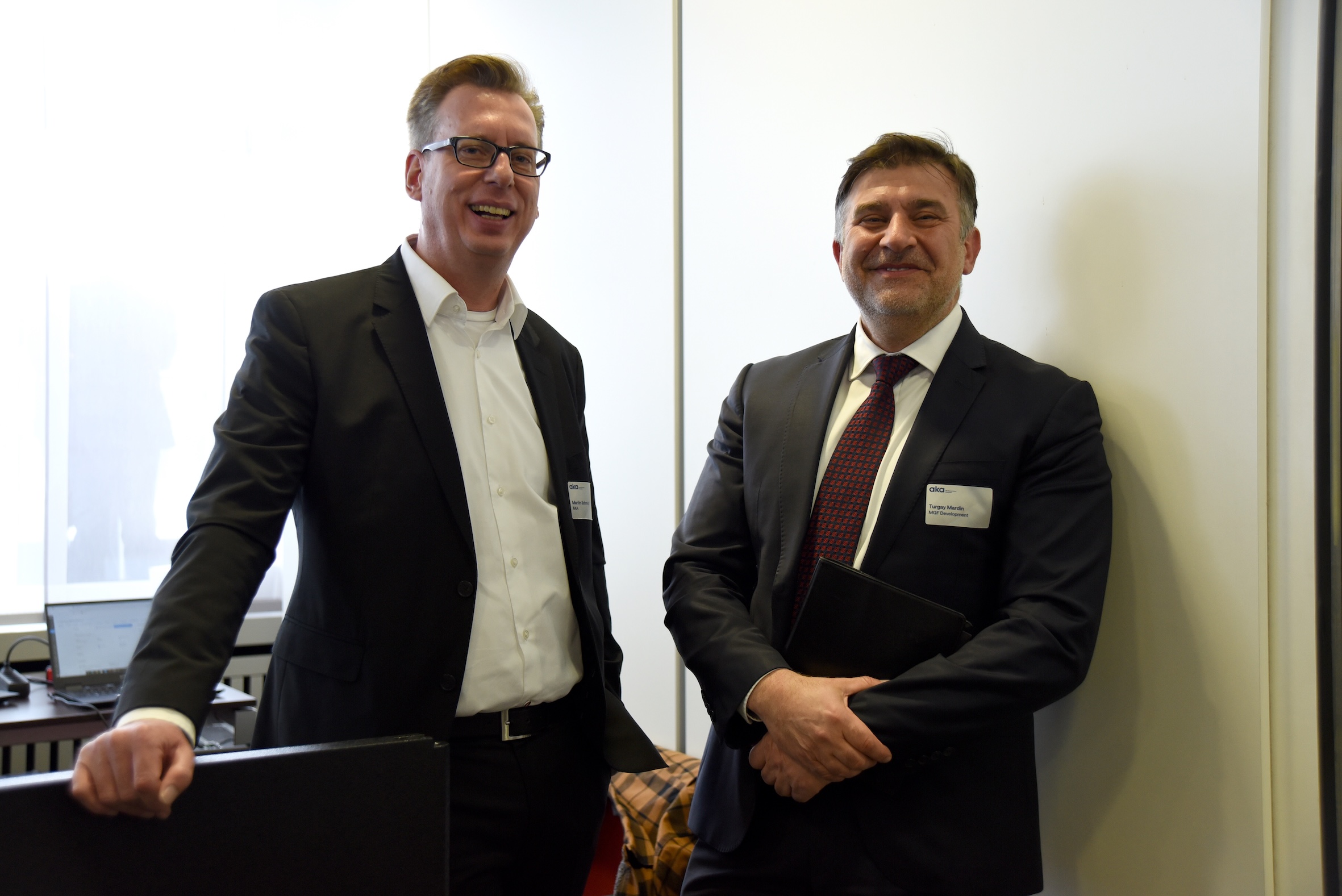
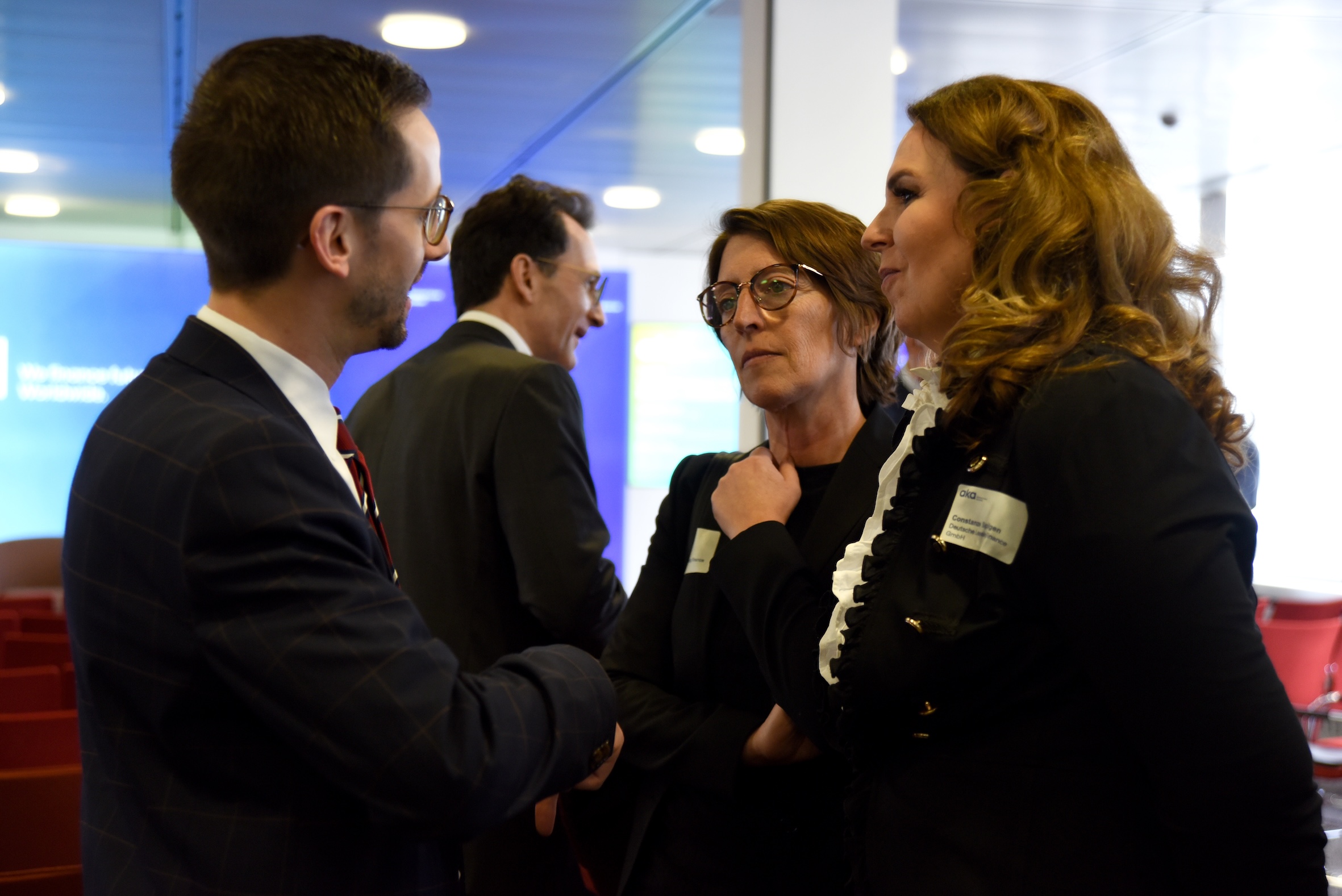
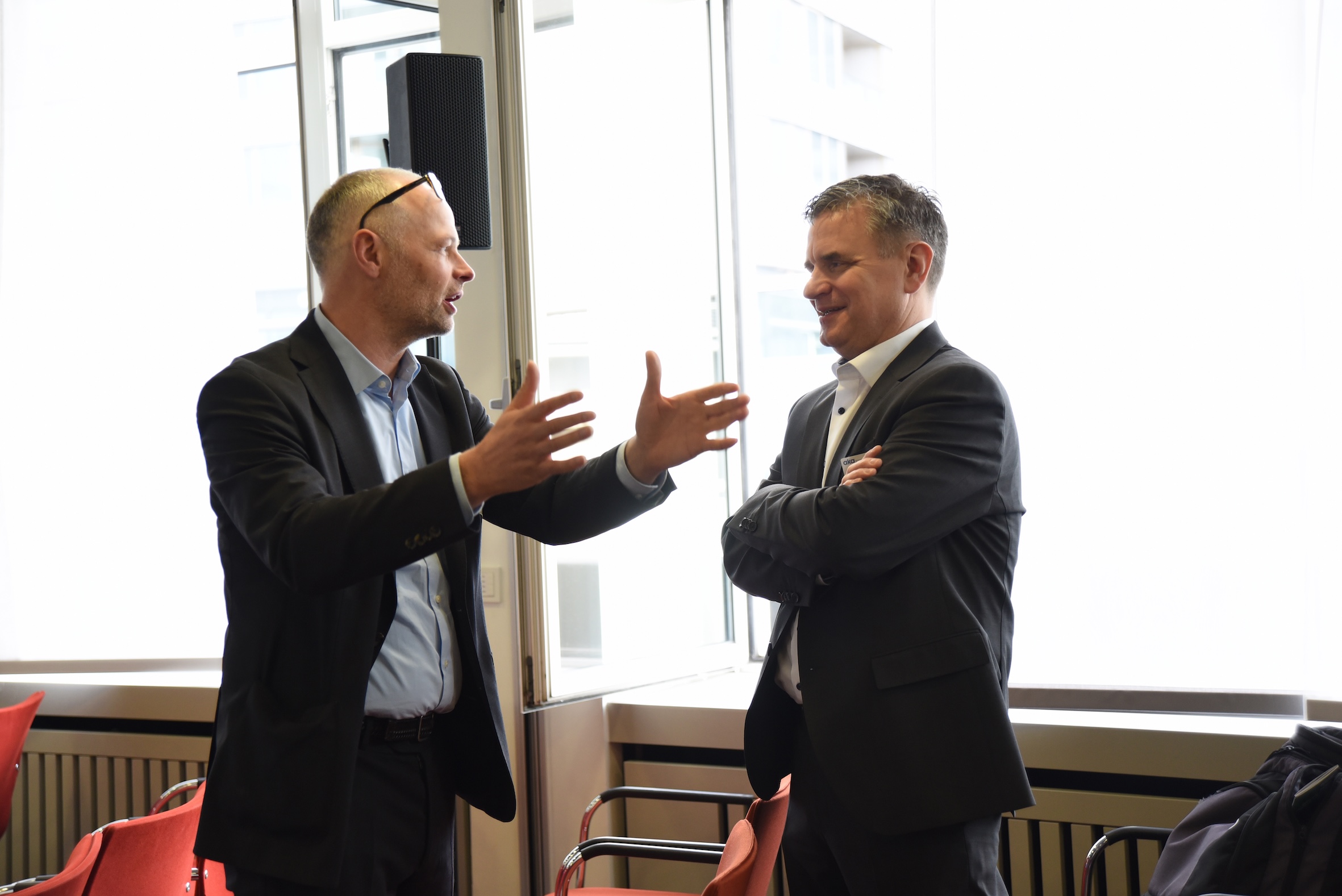
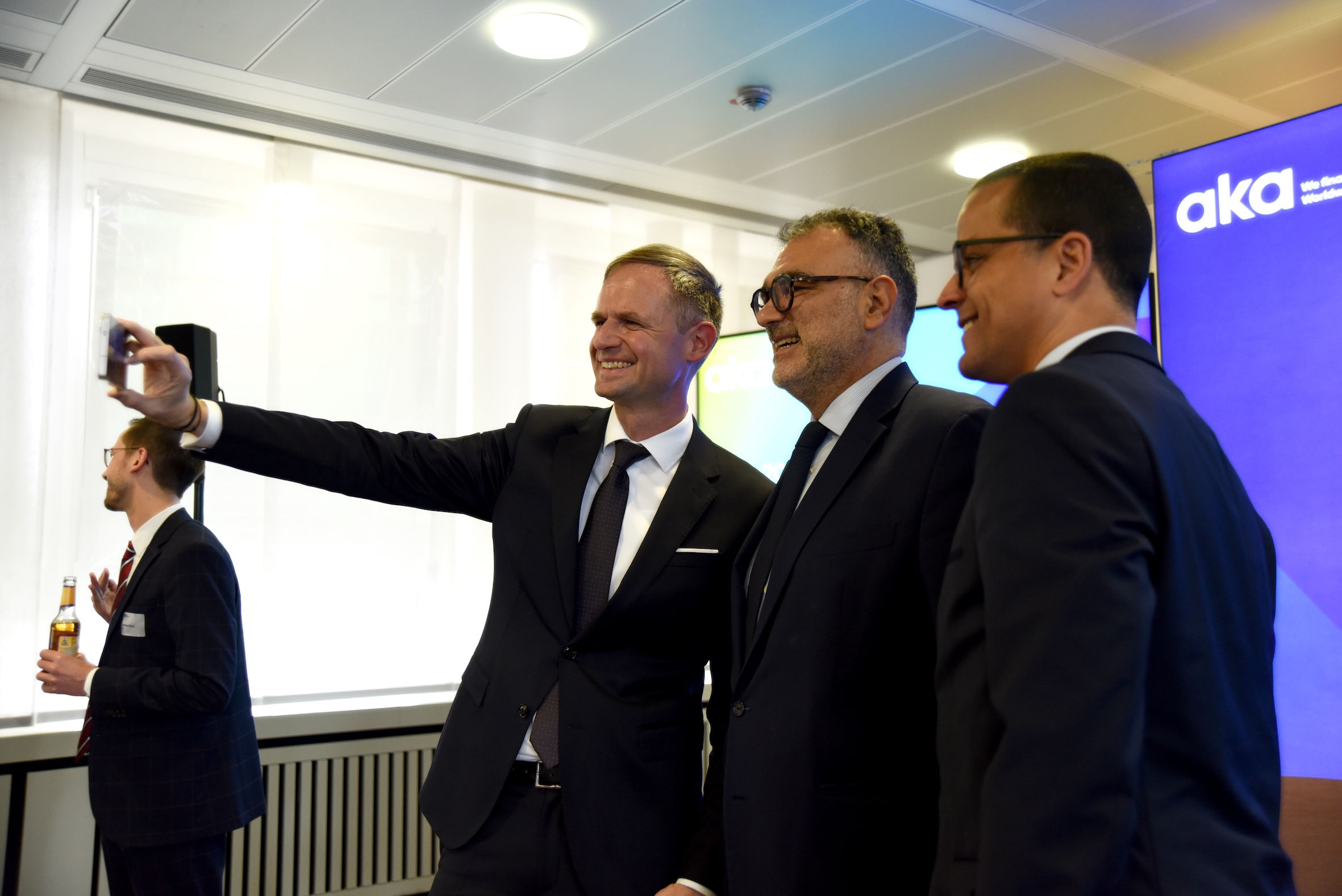
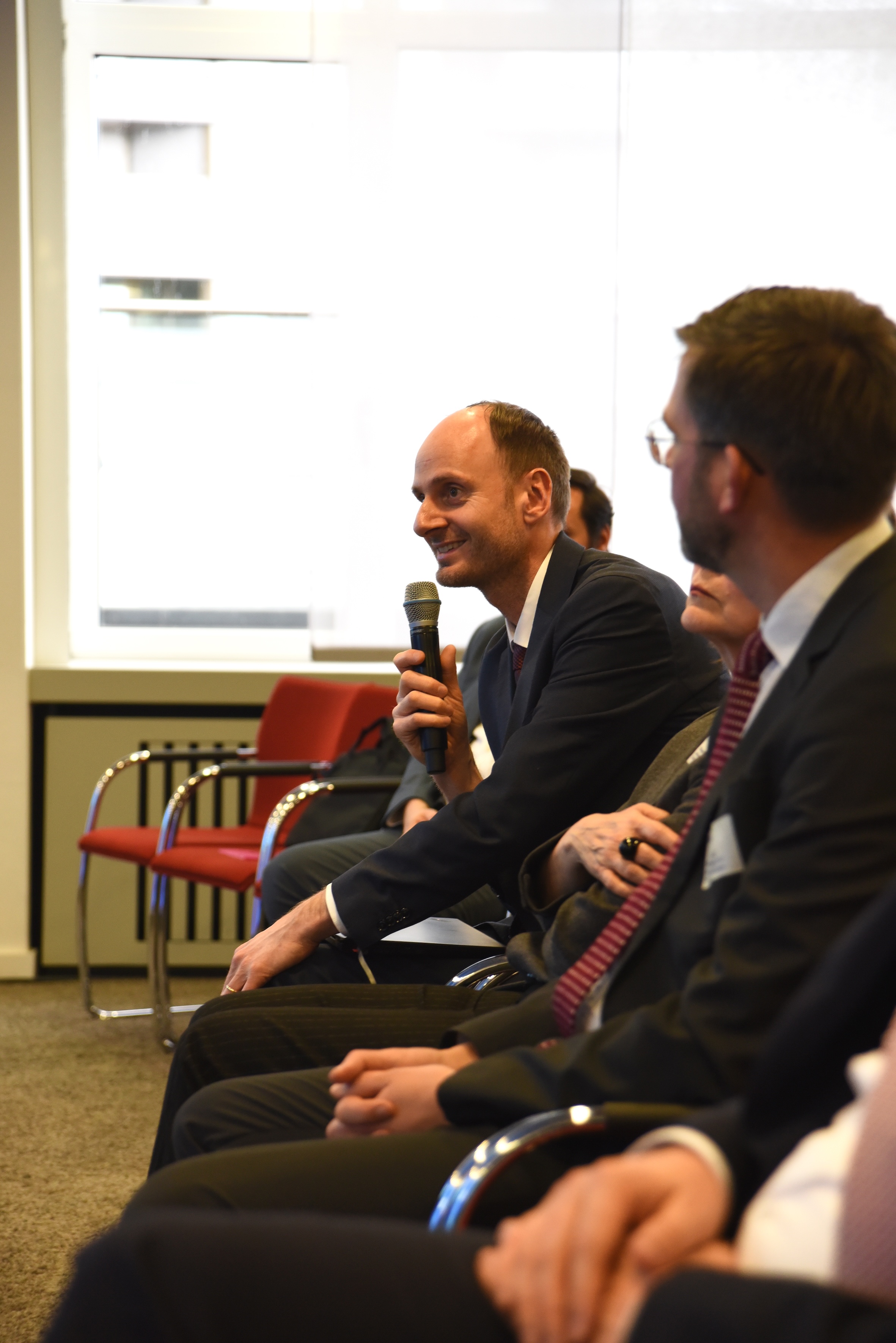
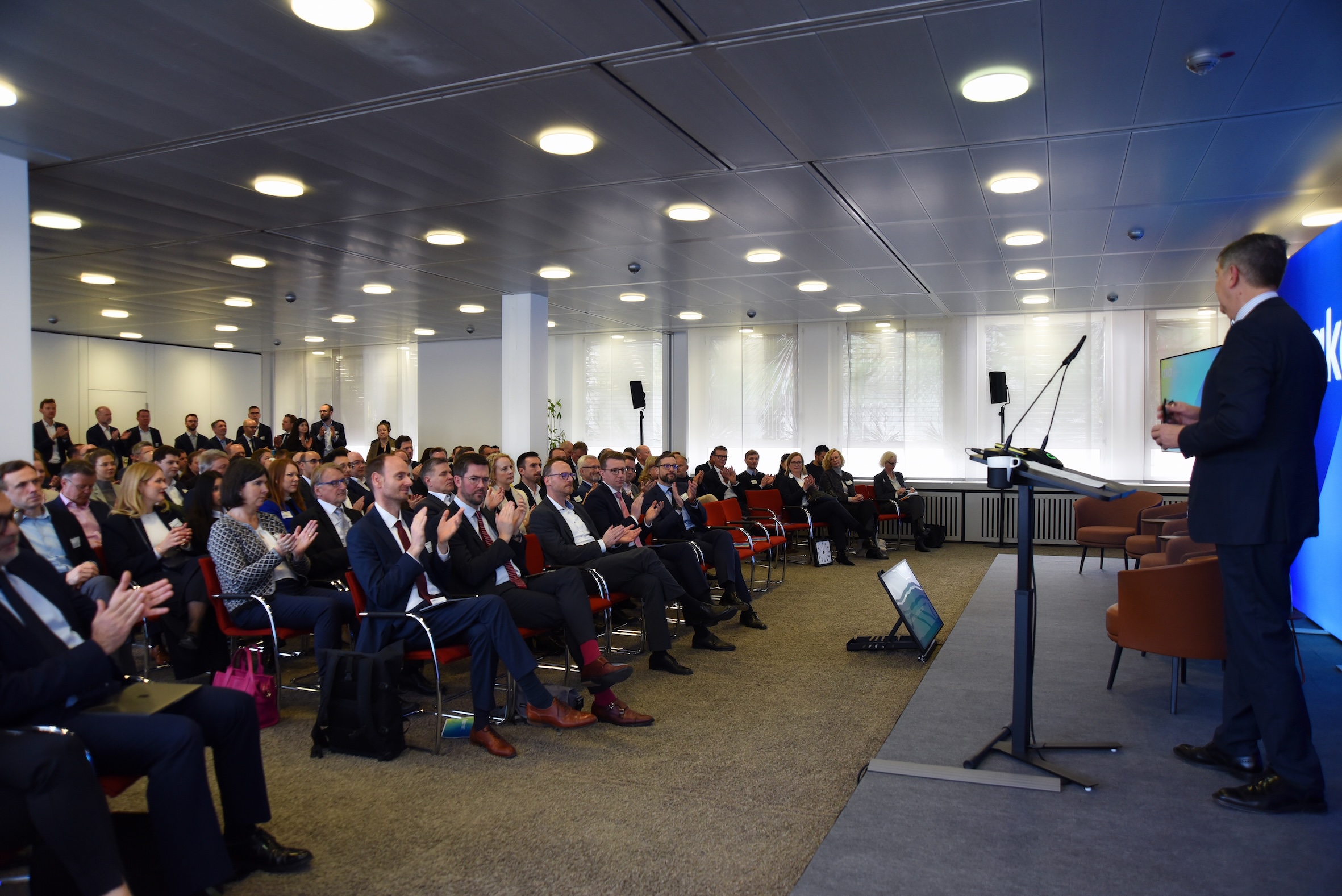
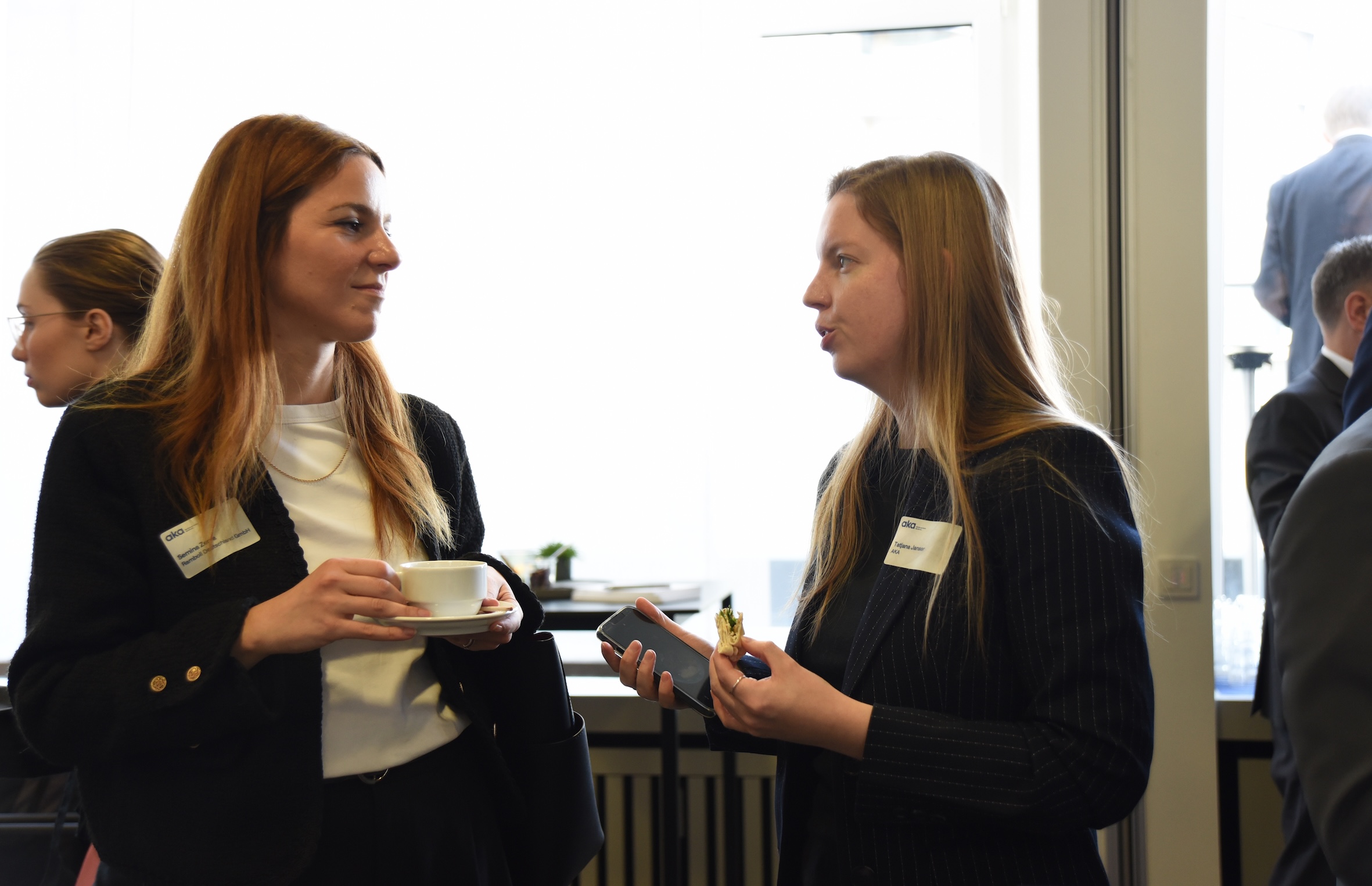
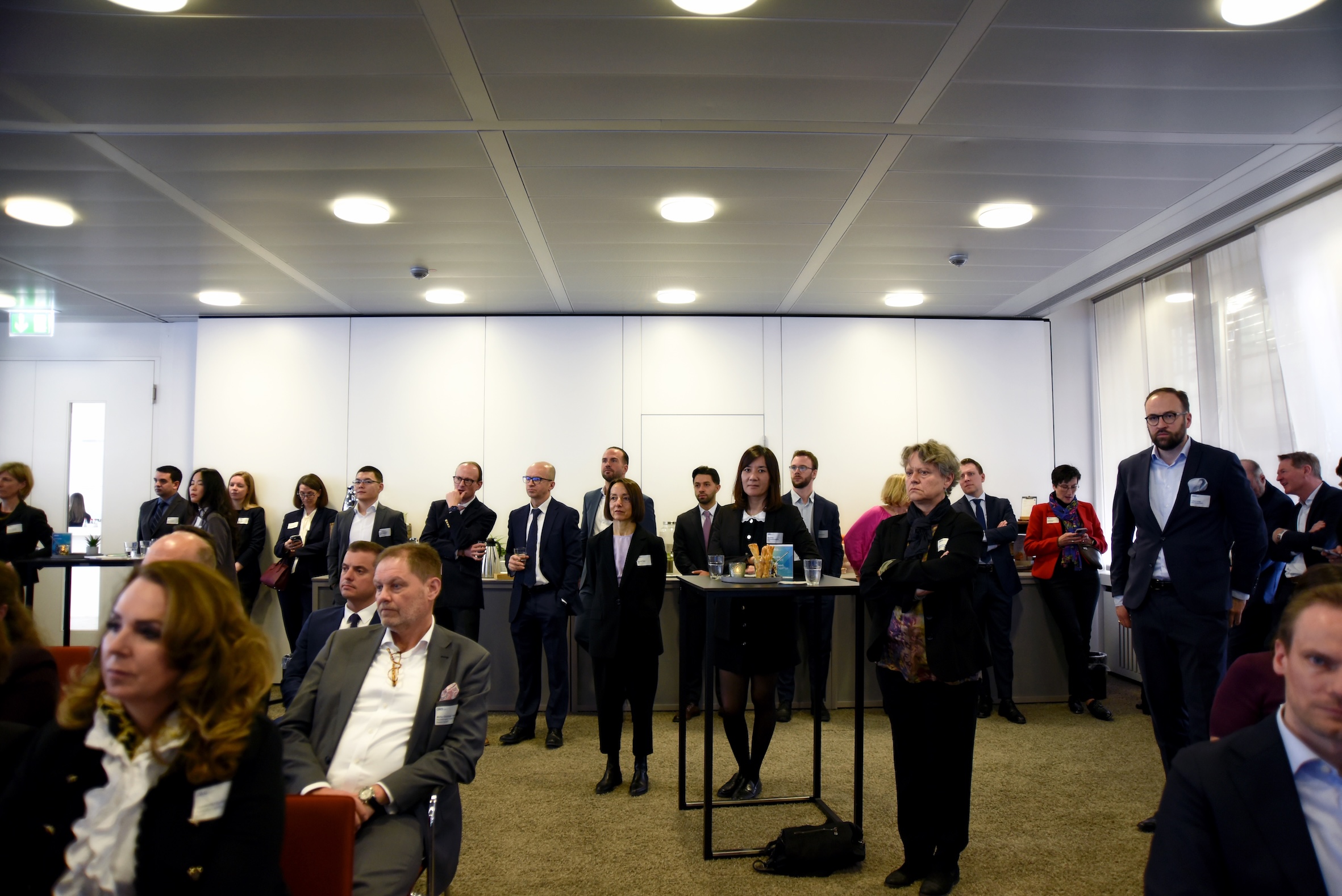
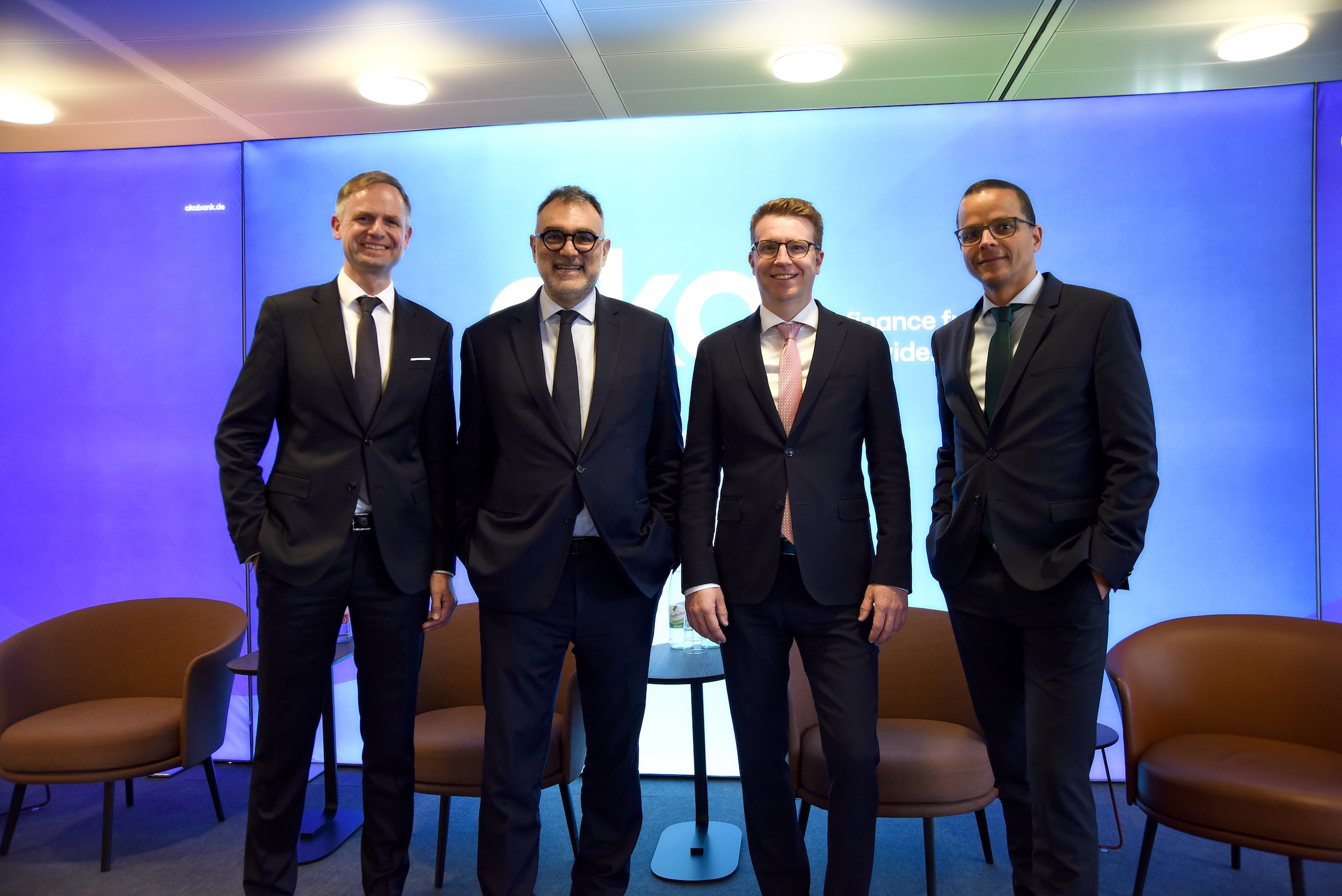
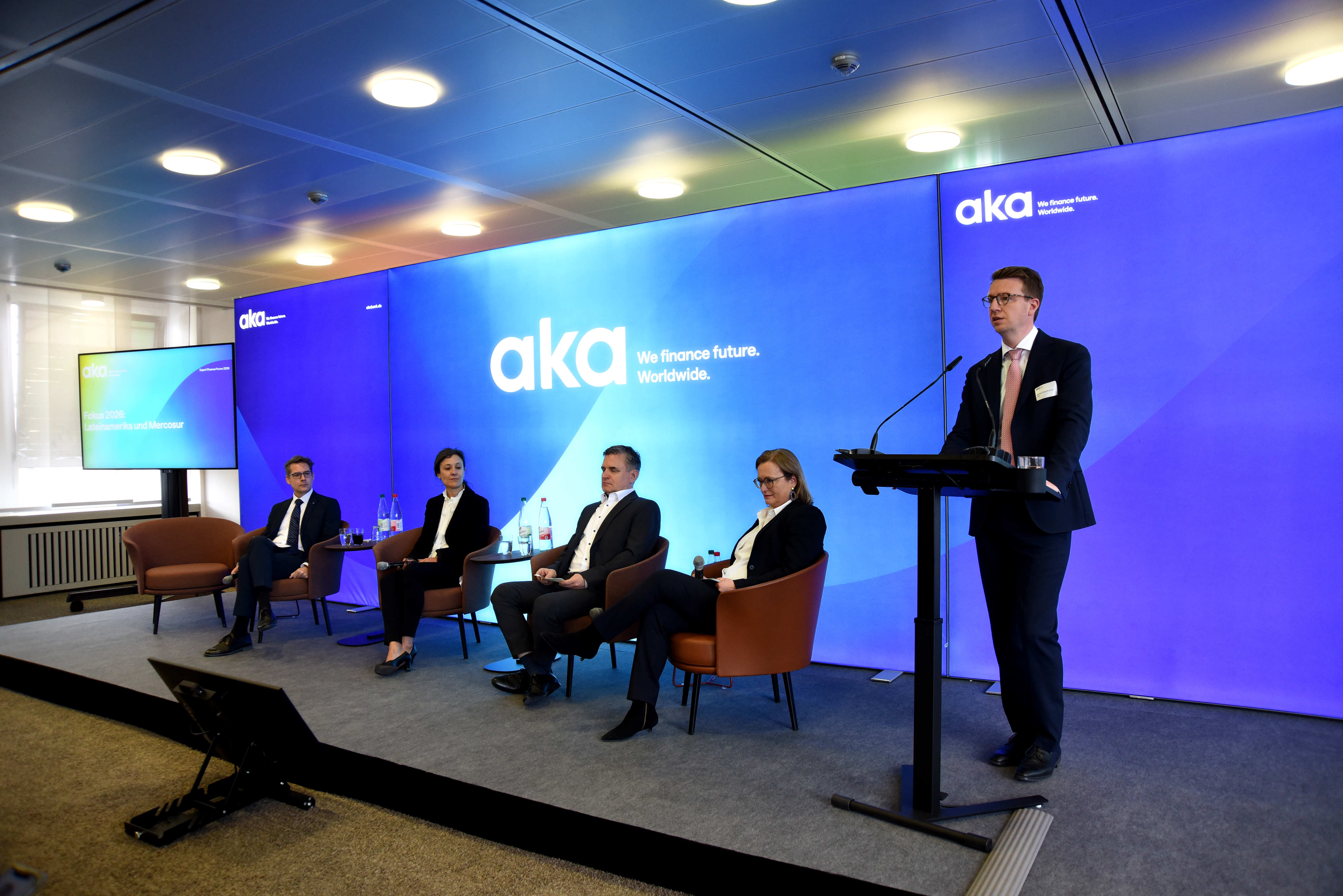
The third AKA Export Finance Forum took place in Frankfurt on 26 March. The focus was on Latin America and the opportunities presented by the Mercosur agreement for German exporters. With more than 170 guests from the export finance community, the event once again underlined its relevance as a platform for professional exchange on current developments in export finance.
Keynote speakers at this year’s forum included Carsten Brzeski, Chief Economist at ING, Brazil's delegation to international economic organisations in Paris, Sarquis J. B. Sarquis and IMA Chairman Korbinian Wagner. Two panel discussions on the topics of ‘ECAs as partners in LATAM’ and ‘Practical experiences of companies on the continent’ complemented the program with concrete insights from the field.
A new global landscape calls for new responses
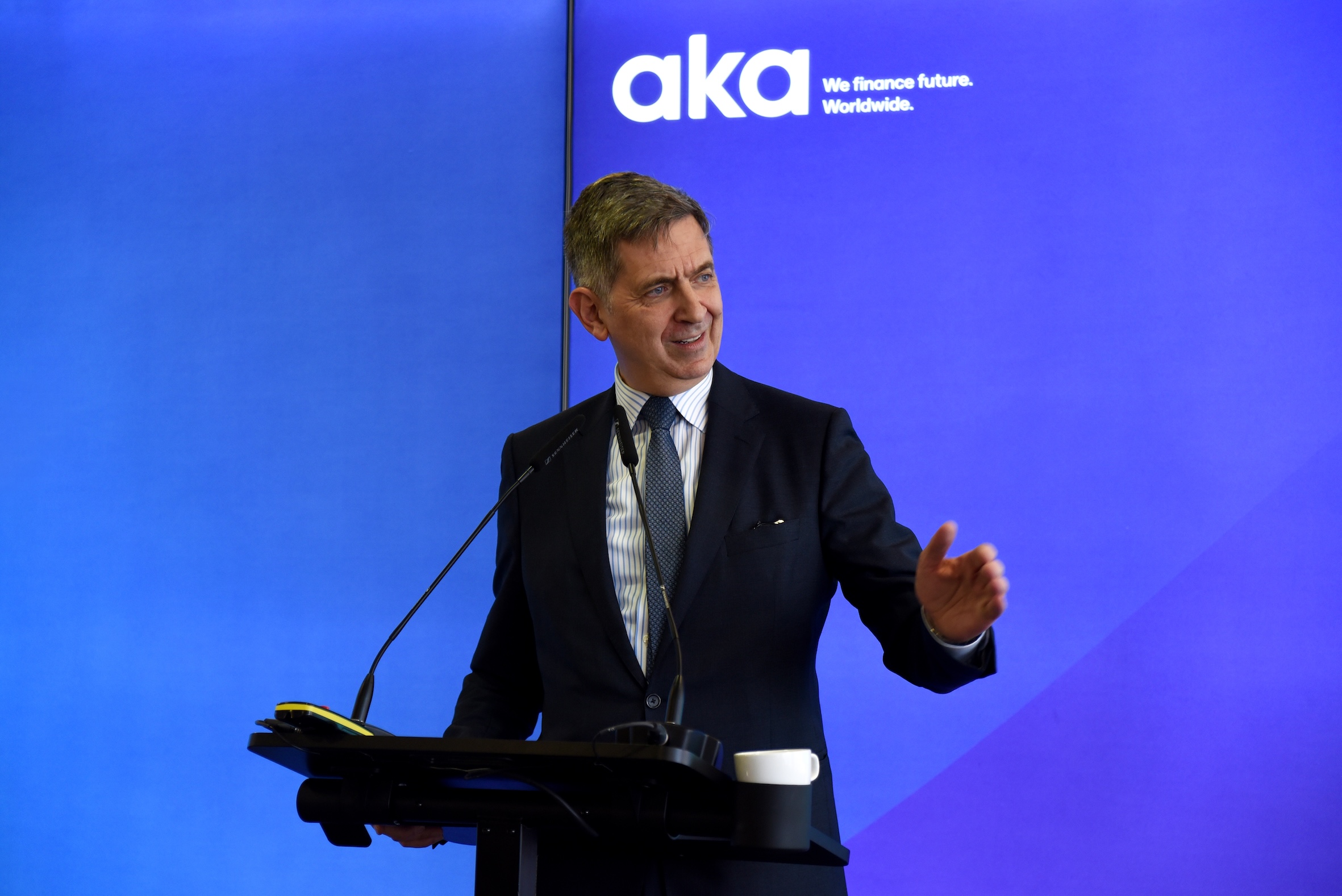
In his opening remarks, AKA CEO Marck Wengrzik highlighted on the key question of the day: How to develop sustainable responses for the export sector and foreign trade promotion in a changing global environment?
His message was clear: the demands for speed, effectiveness and consistency in action have increased significantly. Particularly in the context of international competition, it is crucial to identify opportunities at an early stage and exploit them decisively. Against this backdrop, Wengrzik highlighted the strategic importance of foreign trade promotion. If Germany wishes to play a stronger role internationally, foreign trade promotion must be understood even more strongly as an instrument that facilitates and generates trade. At the same time, at the operational level, the aim is to reduce decision-making parameters and to simplify and accelerate processes. Only in this way can Germany regain visibility and effectiveness on the international stage.
Free trade agreements such as the EU-Australia Agreement and the Mercosur Agreement can help to open up new markets and strengthen international competitiveness. Particularly in an environment of growing geo-economic competition, reliable framework conditions and swift implementation are becoming increasingly important.
Navigating a volatile environment
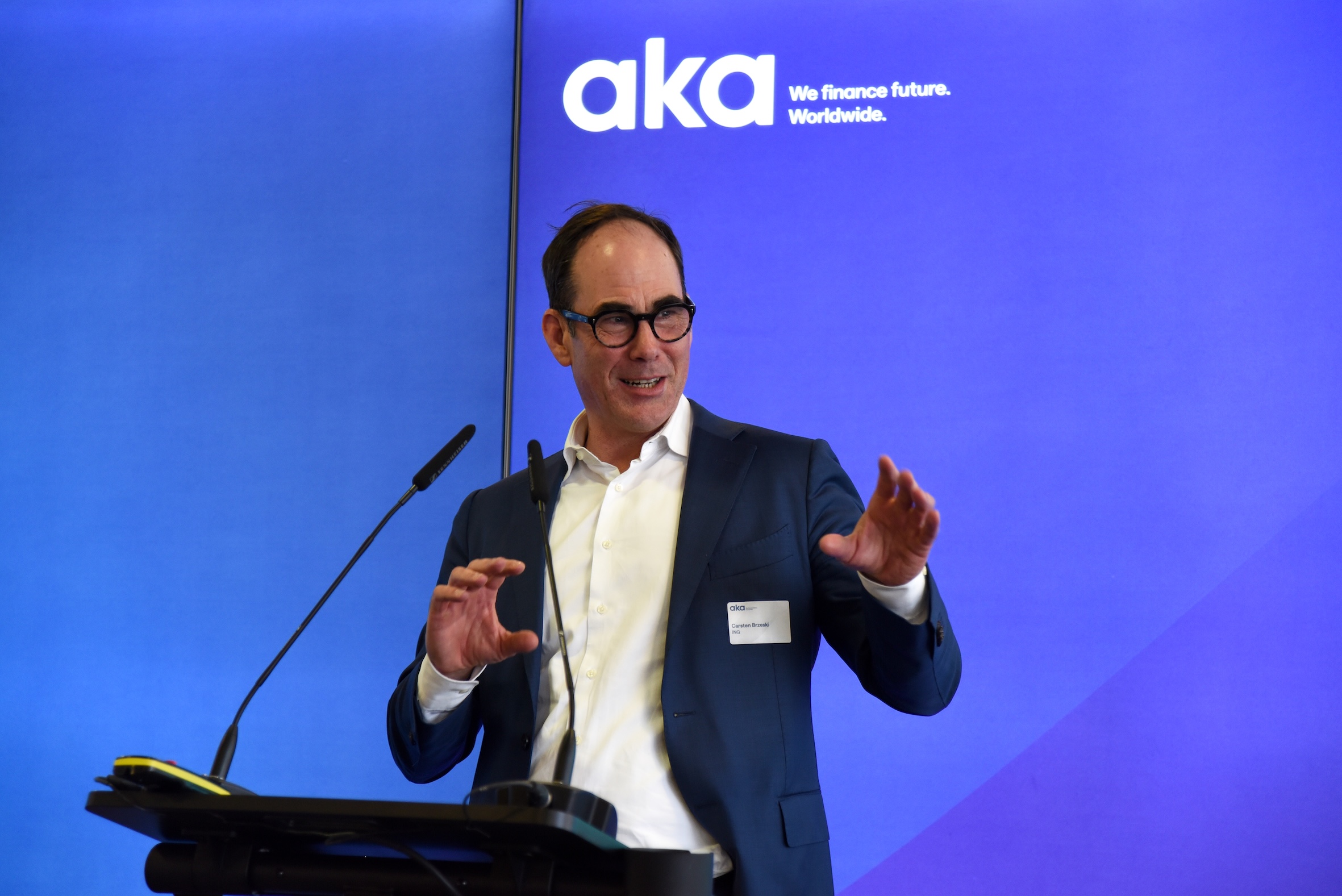
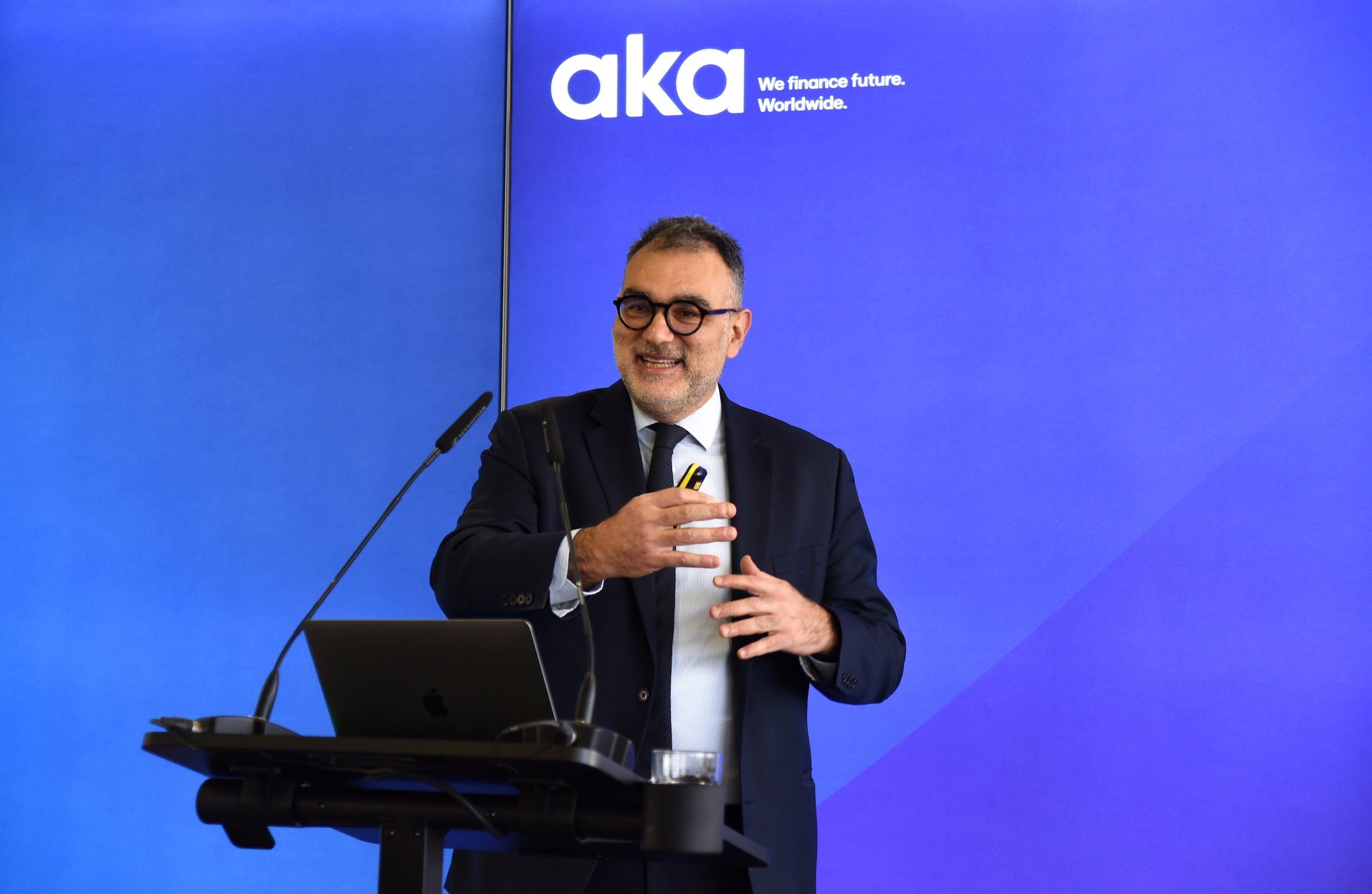
Carsten Brzeski (Global Head of Macro Research and Chief Economist, ING Germany) described the high level of volatility in the current economic environment in his morning briefing. The half-life of macroeconomic scenarios has shortened significantly, making reliable forecasts increasingly difficult. External crises and geopolitical upheavals are reshaping the landscape at ever shorter intervals. This increases the pressure to act for companies, financiers and economic policymakers alike.
Brzeski’s analysis made one thing clear: Europe faces the challenge of strengthening its capacity for economic policy action whilst at the same time decisively advancing key future topics. These include investment, AI strategies and addressing energy dependencies.
Europe can shape trade relations, but must increase the speed at which it implements them.
Latin America as a partner with considerable potential
Dr Michael Stopfkuchen, Head of Export & Agency Finance at AKA, guided the audience through the remainder of the program and shifted the focus to a more regional perspective. With Sarquis J. B. Sarquis (Brazil’s delegation to international economic organisations) he welcomed a key driver of trade and economic partnerships between Europe and Latin America. In his presentation “Brazil, South & Latin America prospects & partnerships with Europe”, Sarquis emphasised the importance of shared values as the foundation for closer economic integration.
Cooperation with Brazil and other South American countries is not only economically significant. It could also support reforms, modernisation and the strengthening of international standards. Sustainability and trade are closely linked in this context. At the same time, Sarquis pointed to the region’s considerable development potential. Investments in infrastructure, diversification and productivity-enhancing measures could further strengthen South America and Brazil. He highlighted the region’s energy independence as a key locational advantage.
Reliability and execution remain core strengths of German export finance
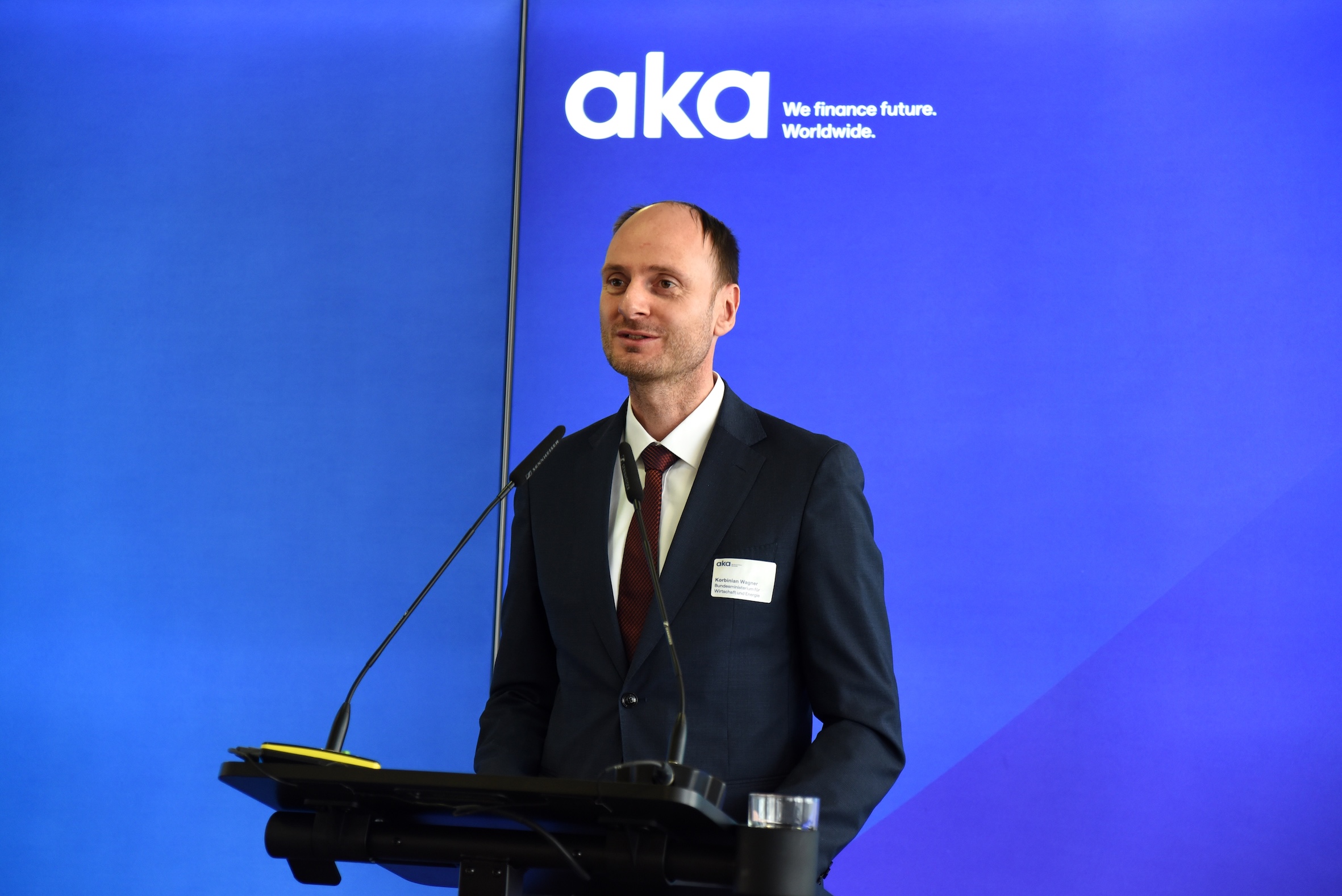
Korbinian Wagner (Head of the Export Finance, Export Credit Guarantees and Strategic Foreig Projects Division at the Federal Ministry for Economic Affairs and Energy) highlighted the export finance industry as a committed and efficient community. At the same time, he emphasised that the geo-economic situation remains challenging for companies and that reliability and the swift implementation of economic policy measures are becoming increasingly important.
He referred to initial measures such as the reduction in electricity and corporation tax. Furthermore, he identified key areas for action: the implementation of further foreign trade measures, the establishment of reliable practices, and the implementation of shopping lines and value chains.
In the LATAM countries, Wagner sees partners based on shared values and with considerable economic potential.
Practical Dialogue I: ECAs as Reliable Partners in Latin America
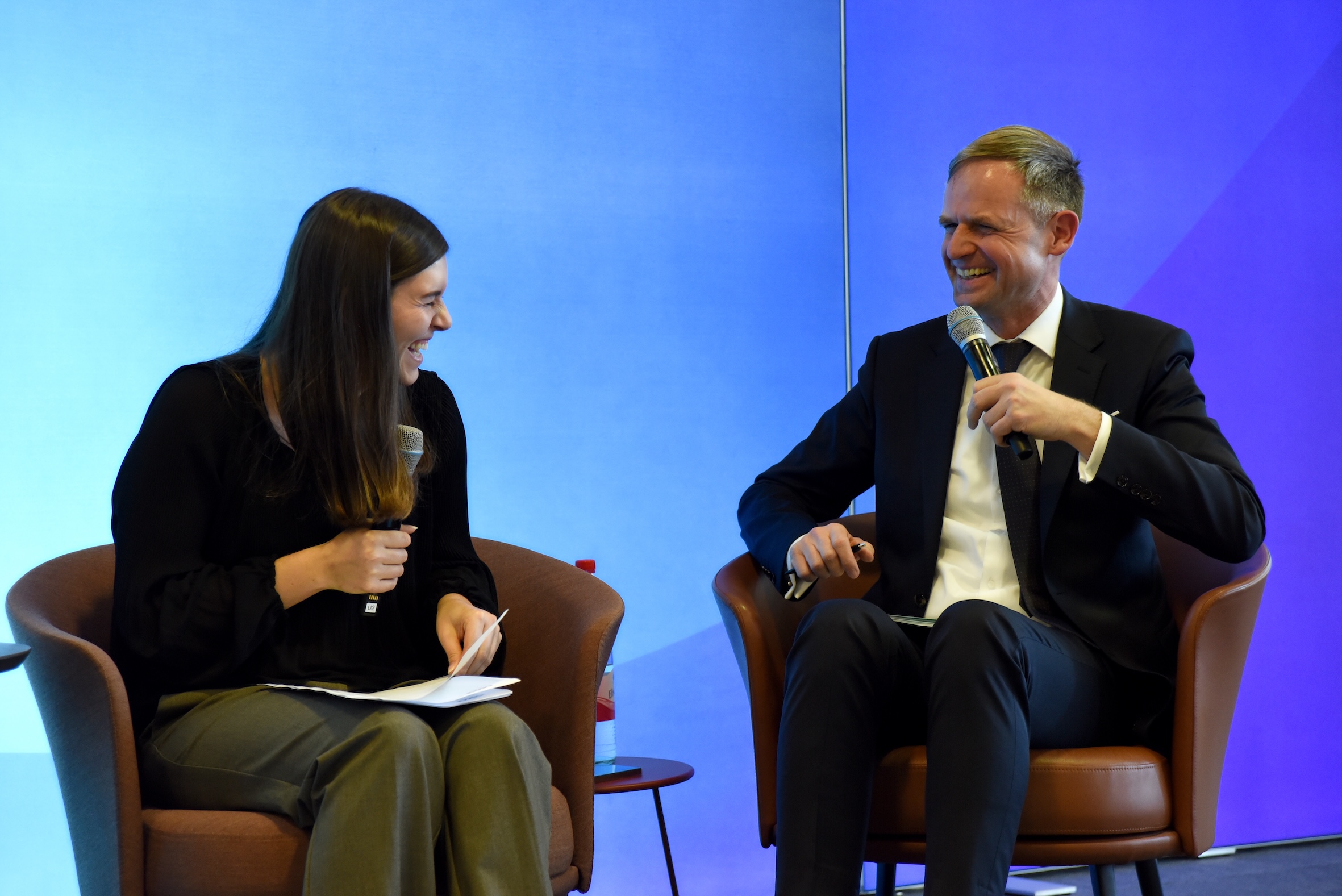
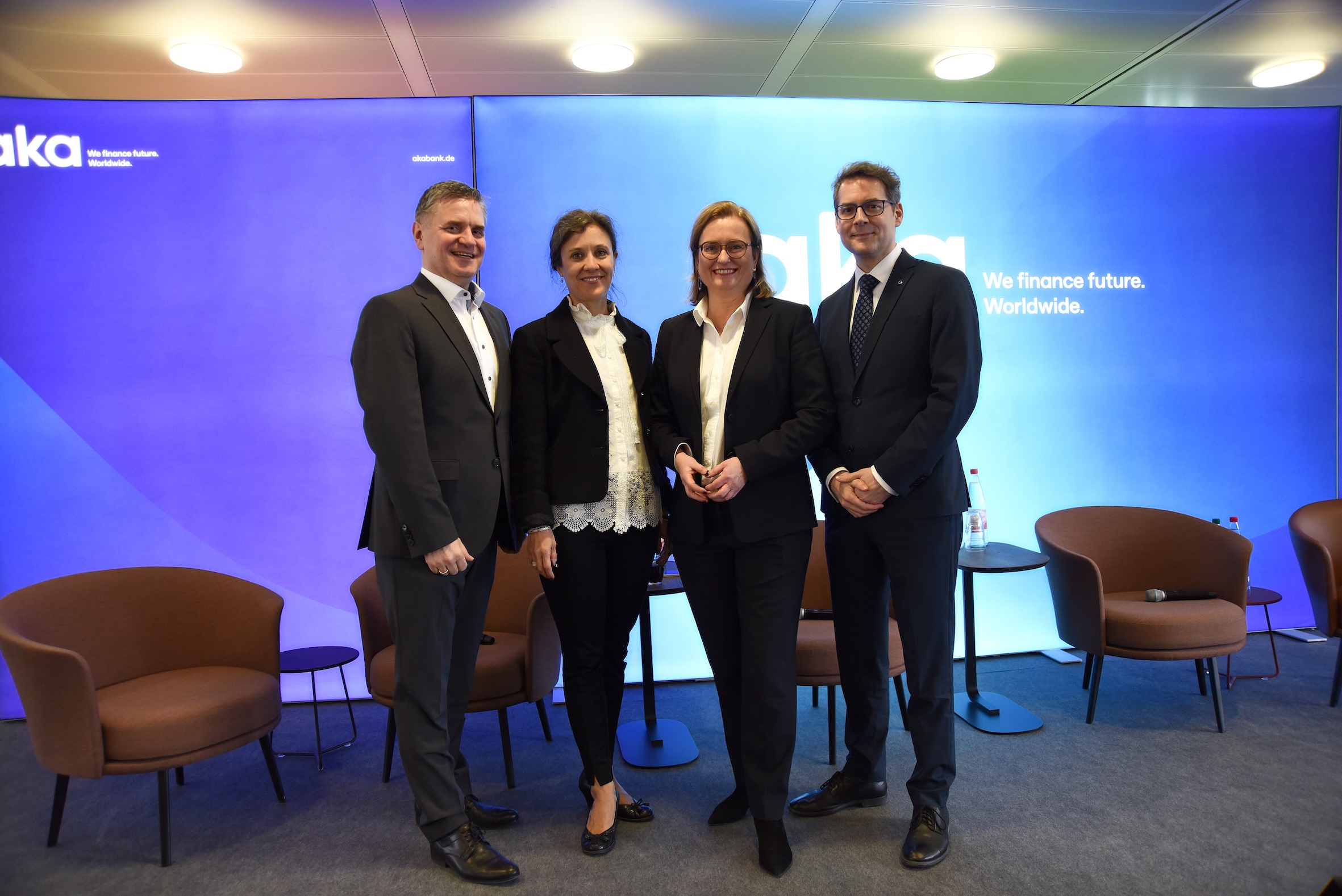
In the afternoon, the focus shifted even more strongly to practical perspectives. Annette Seip, Team Head of Export & Agency Finance at AKA, moderated the panel discussion “Latin America on the Move – ECAs as Reliable Partners”.
Together with Yvonne Pusch (Chief Financial Officer, SERV), Thomas Baum (Head of Division Risk Underwriting & Risk Management, Euler Hermes) and Reiner Dreo (Senior Director, International Business Development, OeKB), she discussed the framework conditions, market potential and specific instruments for European exporters in the region. It became clear that Latin America presents very different conditions depending on the market. Key topics included the role of regional banks, the volume of previous transactions, the use of multilateral structures and the use of diversification on the corporate side. At the same time, the panelists emphasised that cover offers and instruments are already in place, but that their visibility and utilization could be further strengthened.
International competition was also a addressed during the panel. Instruments such as the shopping line were described as a means of establishing a market presence and gaining early access to projects. Low-threshold access to financing instruments, stronger support for companies and a local presence in the markets were cited as key success factors.
Practical Dialogue II: Business perspectives from Latin America
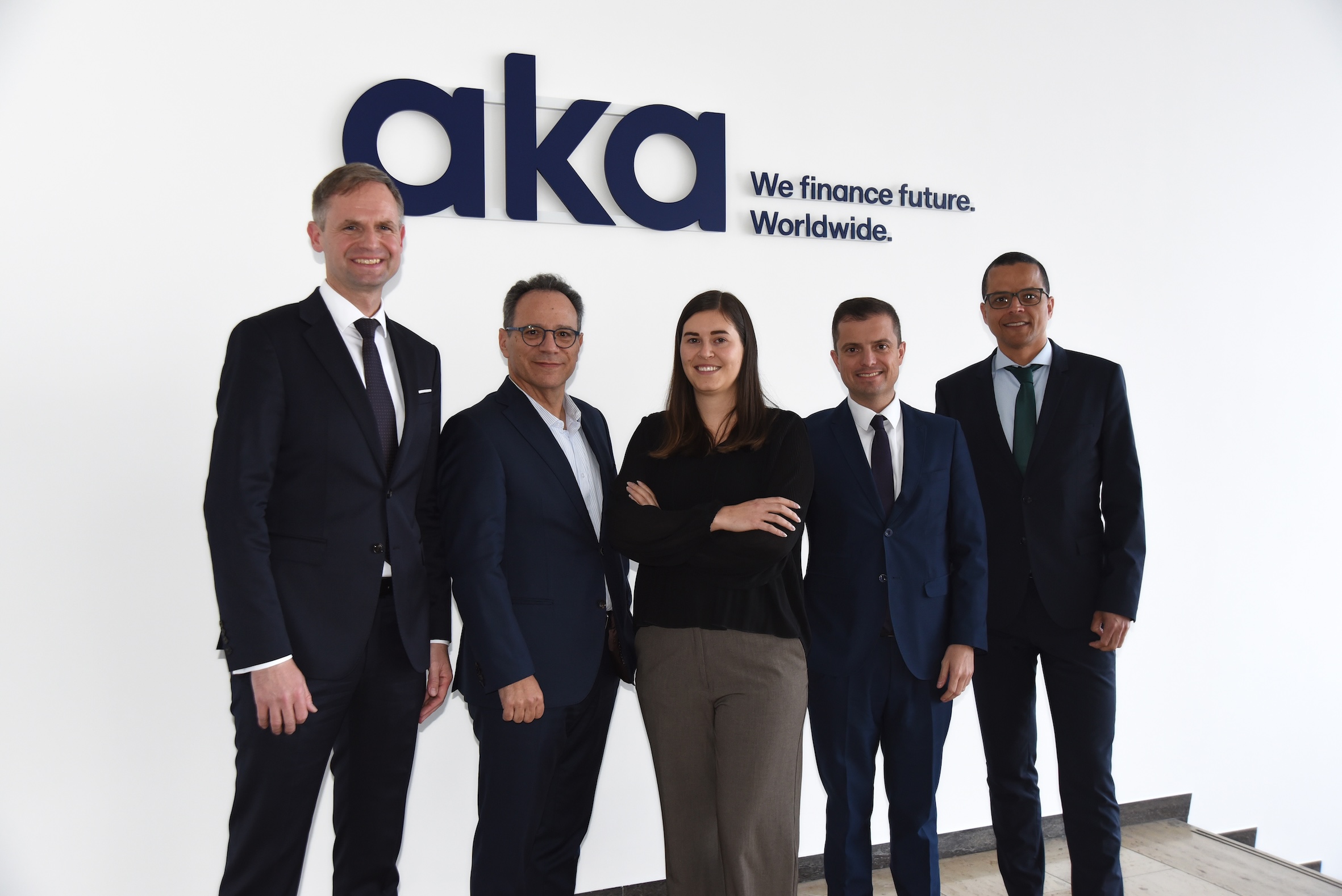
In the second panel discussion, Timo Prekop, Vice President export finance at AKA, spoke with Elter Nehemias Barbosa (Consul and Head of Trade and Investment Promotion, Consulate General of Brazil in Frankfurt), Orlando Baquero (Managing Director, Latin America Association), Leandro Fernandez (Managing Director, INZAG Germany) and Marina Volk (Authorised Signatory and Commercial Director, Wasserkraft Volk) about regional challenges, market experiences and economic specifics in Latin America.
At the outset, Prekop highlighting the region’s potential using key figures: with a population of over 660 million, Latin America is a significant growth market. At the same time, the region remains underrepresented in the context of German exports and investment to date. This creates substantial opportunities for more intensive economic cooperation.
The discussion made clear that German companies in the region continue to benefit from their reputation for quality. At the same time, competitive pressure, price sensitivity and the importance of local market knowledge are continuing to increase.
The ontributions from the perspectives of companies and associations emphasised that strong networks, local partnerships and a nuanced understanding of the respective countries are crucial prerequisites for sustainable market success.
Key factors for success when entering the Latin American market: market proximity, partnerships and speed
One of the key takeaways from the afternoon was the high relevance of local structures. Successful engagement in Latin America requires a on-the-ground presence, strong partnerships and persistence. Support mechanisms, such as those offered by the Lateinamerika Verein e. V., Euler Hermes or the German Chambers of Commerce and Industry (AHKs), can provide valuable points of entry.
It also became clear that companies must actively address opportunities in the region at an early stage. In this context, the Mercosur Agreement was identified as an important framework for deeper economic cooperation. Its impact will unfold gradually, but its strategic significance is already evident today.
The key messages of the day
The AKA Export Finance Forum demonstrated that Latin America is growing in economic and strategic importance for German exporters. It was equally clear that geo-economic changes are placing new demands on policymakers, financing partners and companies. The ability to act, reliability, speed and international partnerships are key prerequisites for successfully capitalising on new market opportunities